Logical Thinking Activities for Toddlers & Preschoolers
Logical thinking helps young children learn how to compare, recognise patterns, make connections and solve simple problems. Explore printable activities designed to encourage toddlers and preschoolers to think, observe and work through age-appropriate challenges independently.
Browse worksheets that build logical thinking skills:
Why Logical Thinking Skills Are Important for Early Learning
Logical thinking helps children understand relationships, recognise patterns and work out solutions instead of relying only on memorisation. Simple problem-solving activities give young children opportunities to observe, compare, predict and make decisions as they learn.
✔︎ Develops early problem-solving skills
✔︎ Encourages reasoning and independent thinking
✔︎ Builds pattern and sequence recognition
Ways Children Can Build Logical Thinking Skills
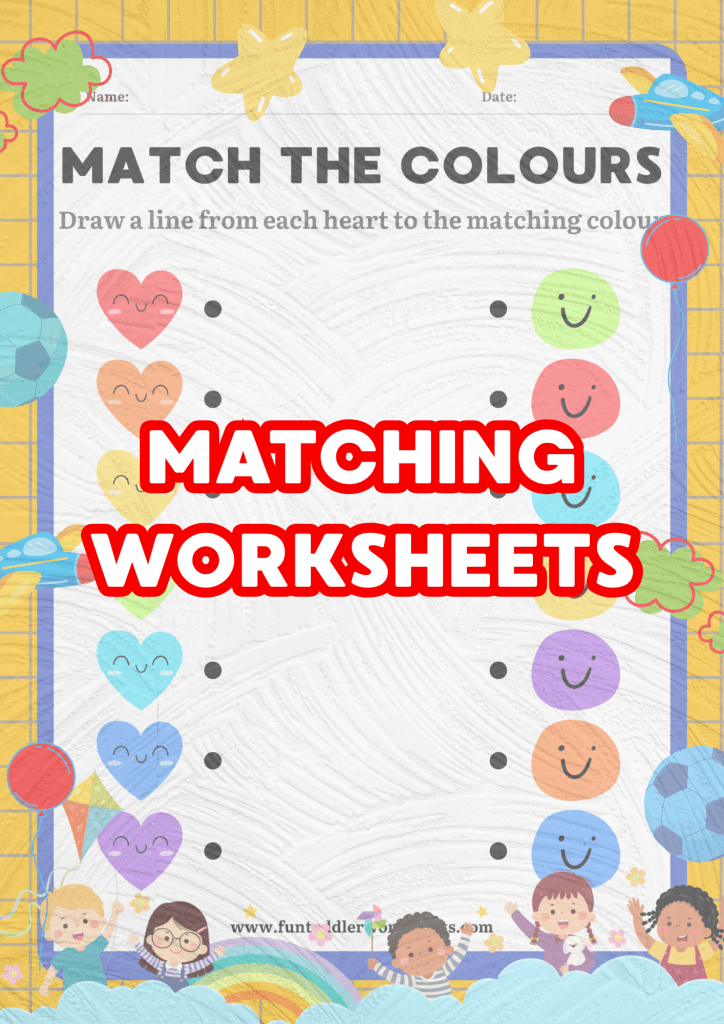
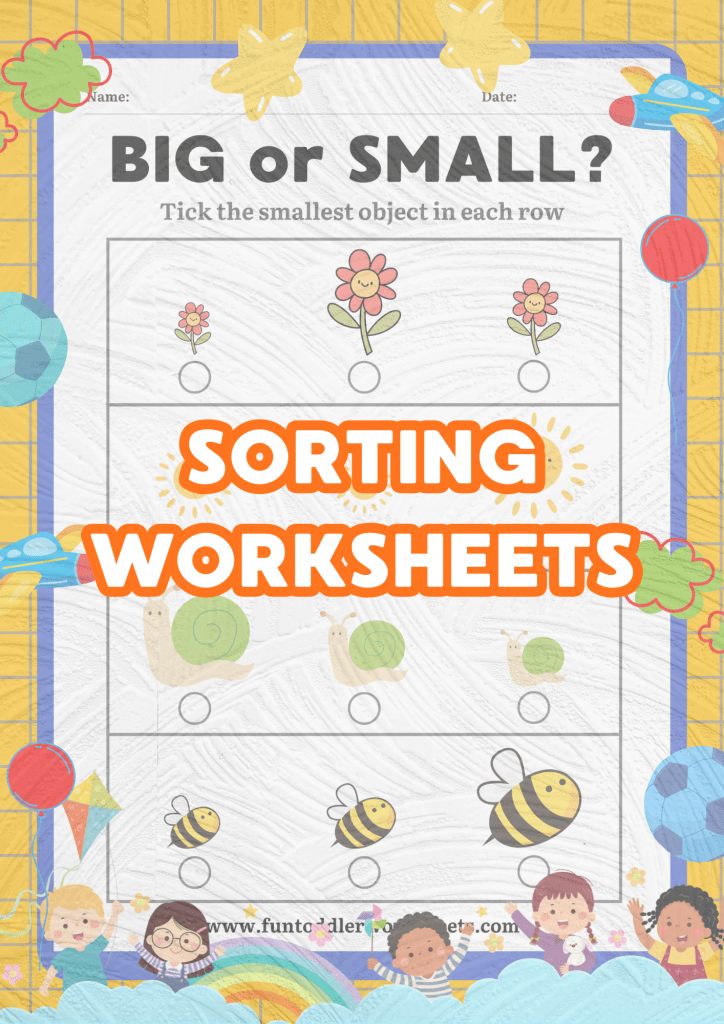
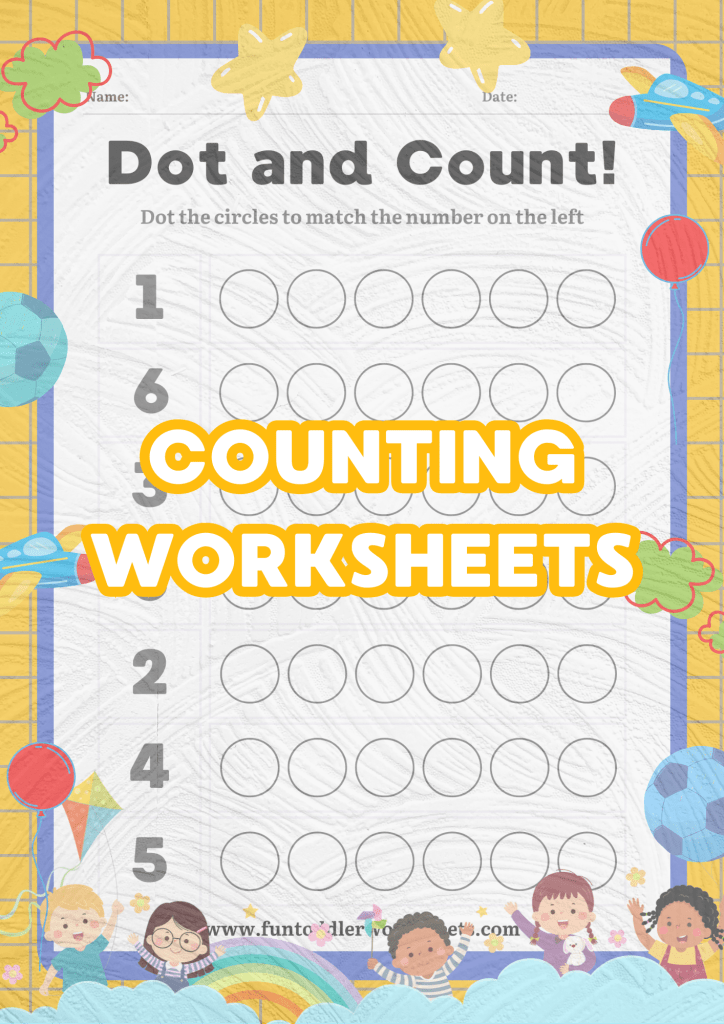
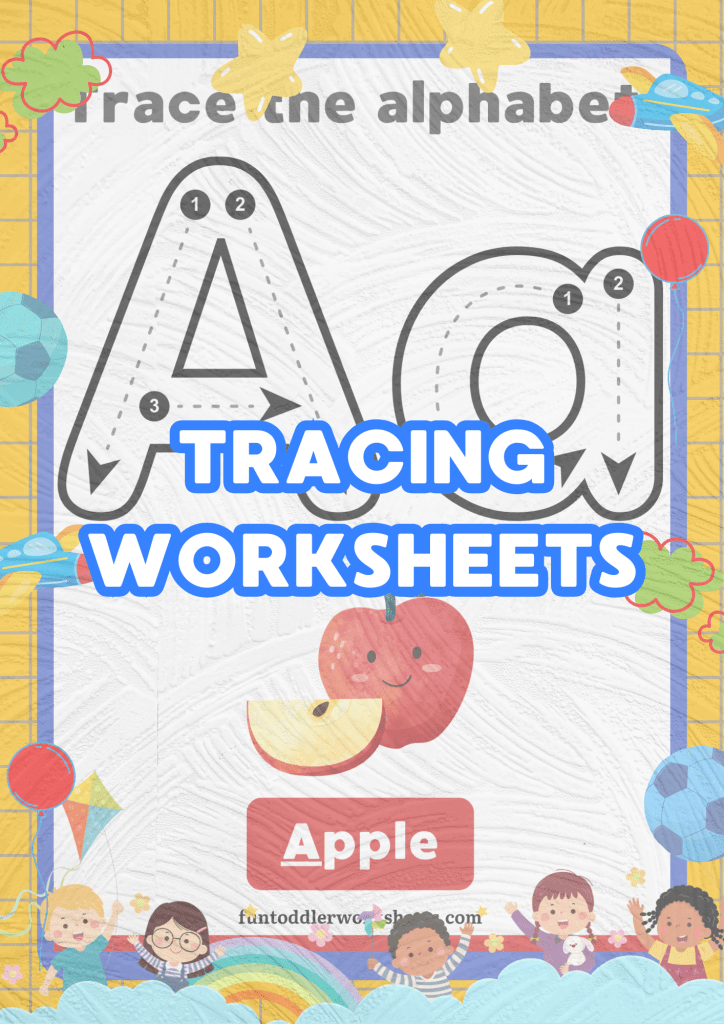
Logical thinking can be developed through many different types of play and learning activities. These printable activities introduce young children to simple challenges that encourage them to observe, compare and think before choosing an answer.
Related Early Learning Skills
Children developing logical thinking may also benefit from activities that strengthen:
Frequently Asked Questions About Logical Thinking Skills
🧠 What are logical thinking skills in young children?
☺︎ Logical thinking involves noticing relationships, comparing information, recognising patterns and using what children already know to work out simple problems.
🧩 What activities help toddlers develop logical thinking?
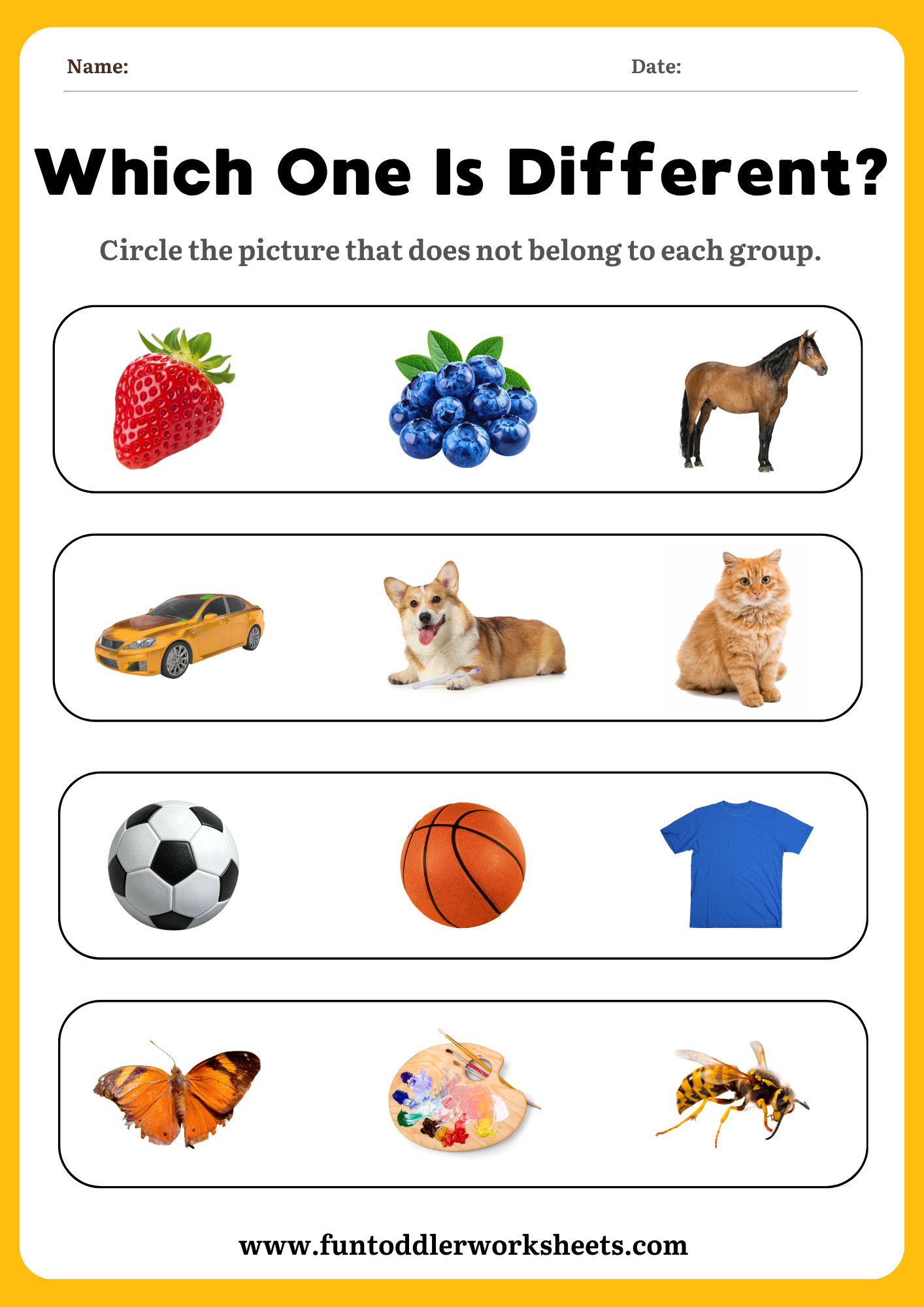
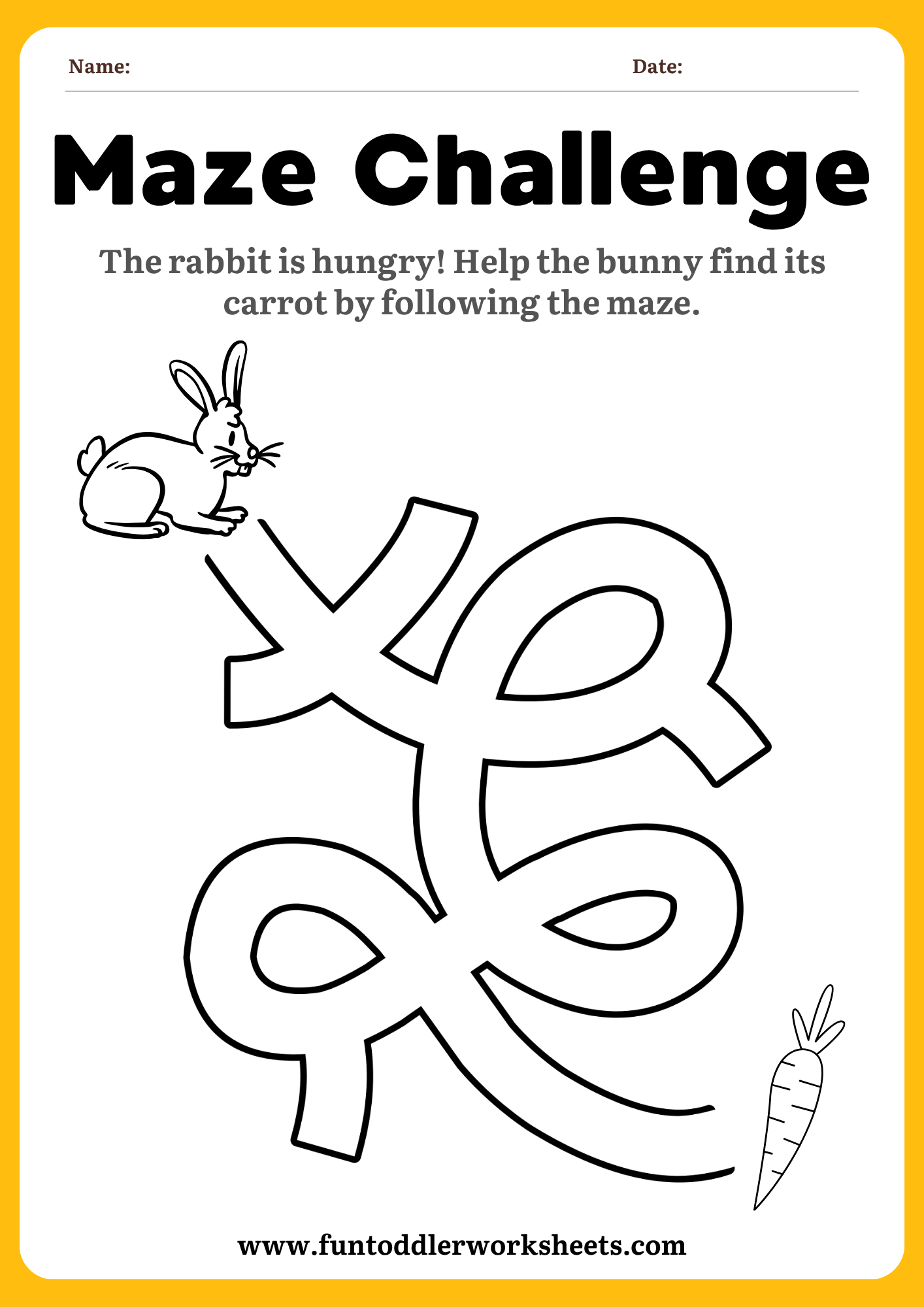
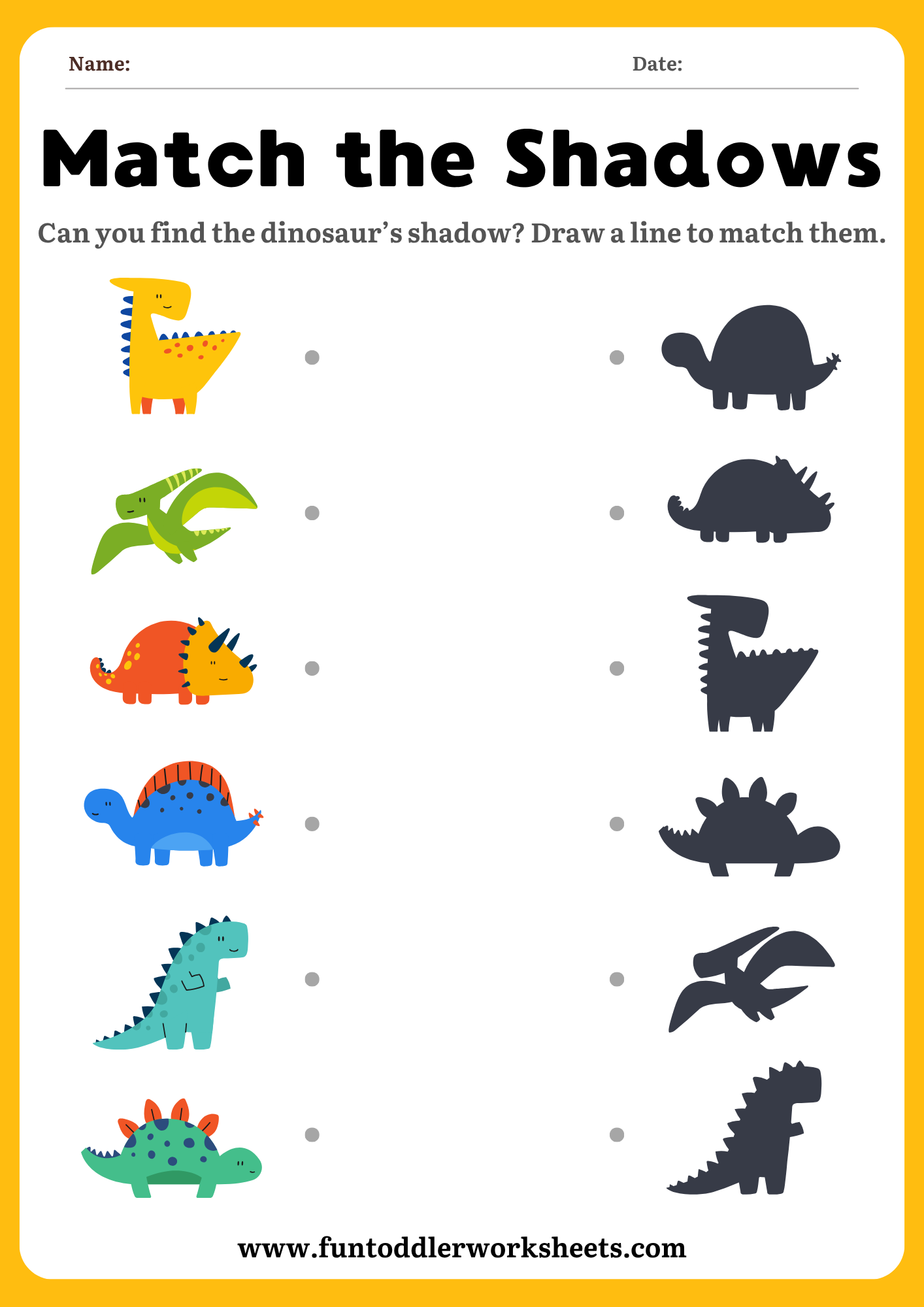
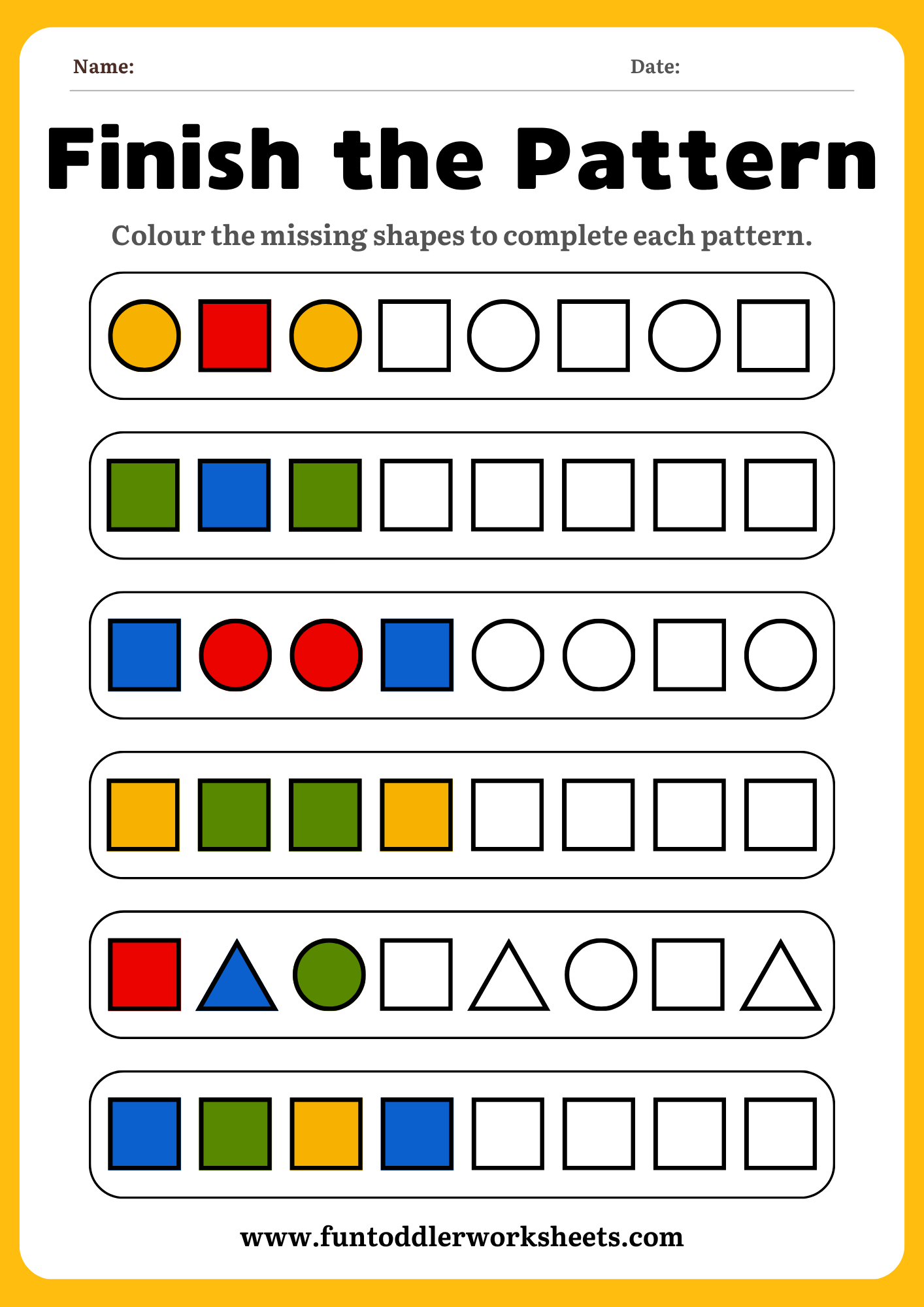
☺︎ Matching games, simple puzzles, pattern activities, mazes, sorting and odd-one-out activities can encourage children to observe, compare and make decisions.
🔍 Why are logical thinking skills important for early learning?
☺︎ Logical thinking supports problem-solving, reasoning and independent decision-making. These skills can also help children understand early maths, sequencing and other preschool concepts.
🌱 How can I encourage logical thinking at home?
☺︎ Give your child simple problems to work through and allow time for them to think before helping. Ask questions such as “What comes next?”, “Which one is different?” or “How did you know?”

