Observation Activities for Toddlers & Preschoolers
Observation skills help young children notice details, compare what they see and make sense of the world around them. Explore printable activities designed to help toddlers and preschoolers practise visual attention, comparison and noticing differences through simple, age-appropriate activities.
Browse worksheets that build observation skills:
Why Observation Skills Are Important for Early Learning
Observation skills help children pay attention to details, recognise similarities and differences, and process visual information more carefully. Simple activities that involve looking, comparing and identifying can support early problem-solving, memory and learning across different subjects.
✔︎ Builds attention to detail
✔︎ Strengthens visual comparison skills
✔︎ Supports memory and problem-solving
Ways Children Can Build Observation Skills
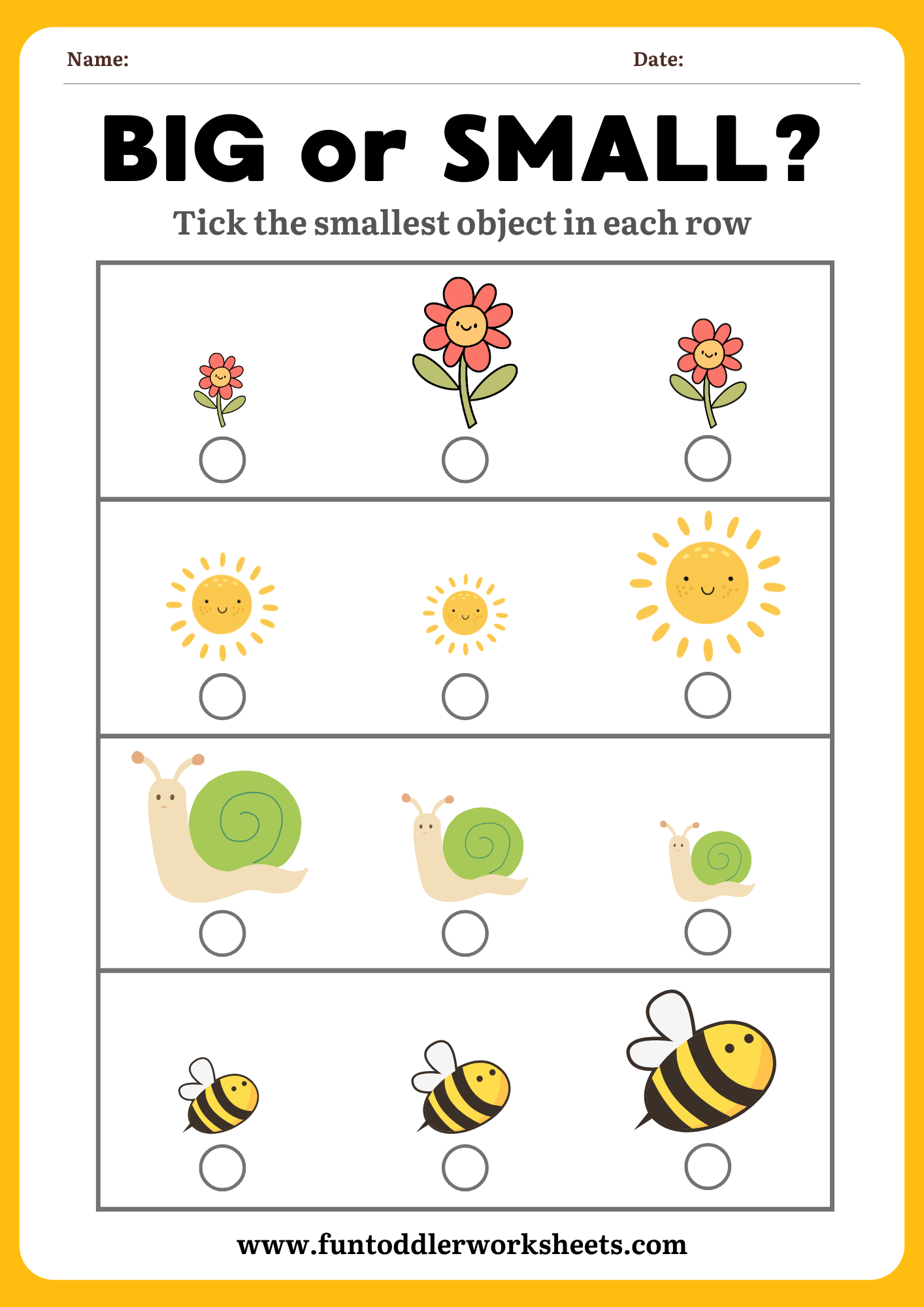
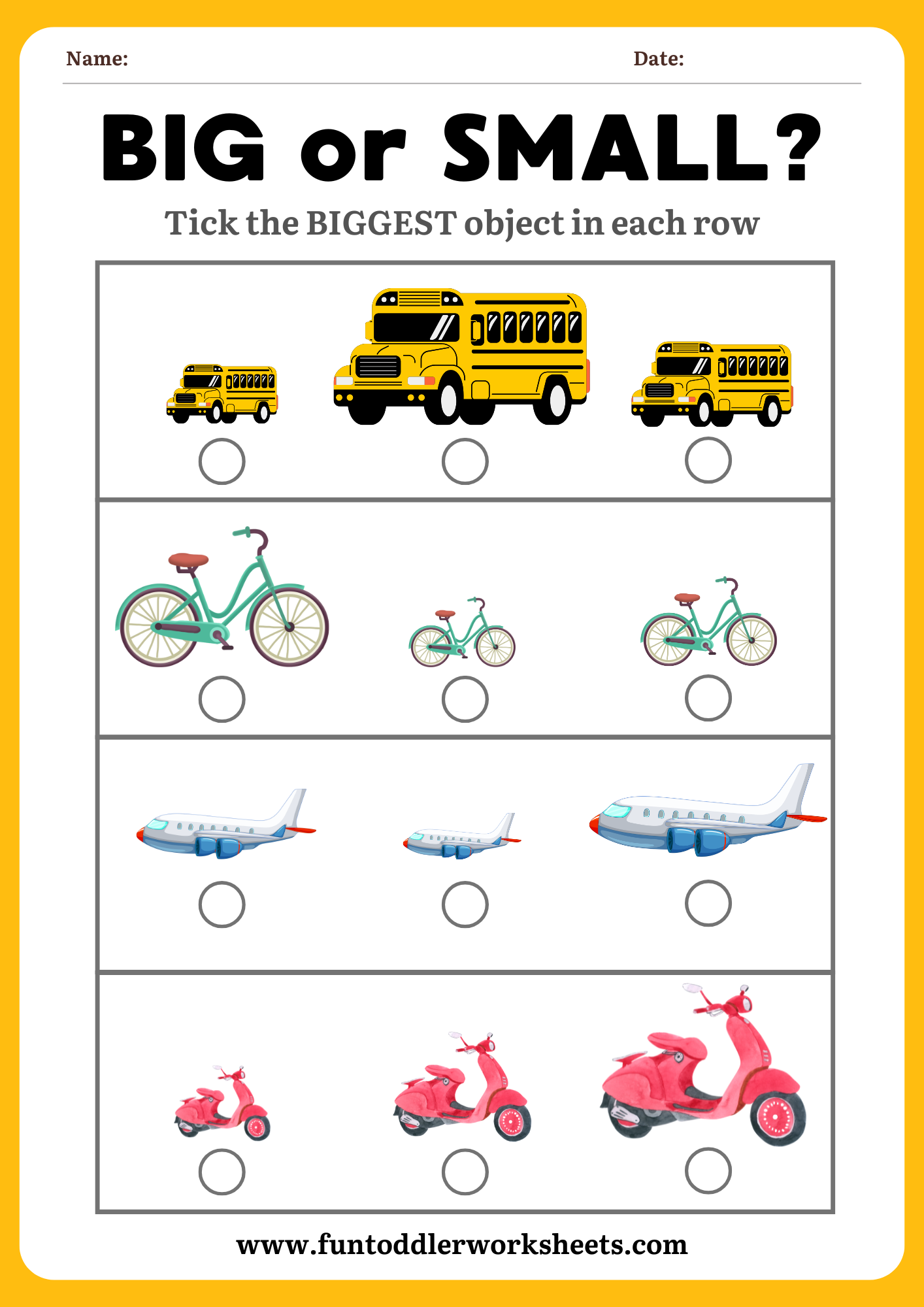
Observation skills can be developed through activities that encourage children to look closely, compare pictures and notice small differences or similarities. Printable activities give young children simple opportunities to slow down, focus and practise careful visual thinking.
Related Early Learning Skills
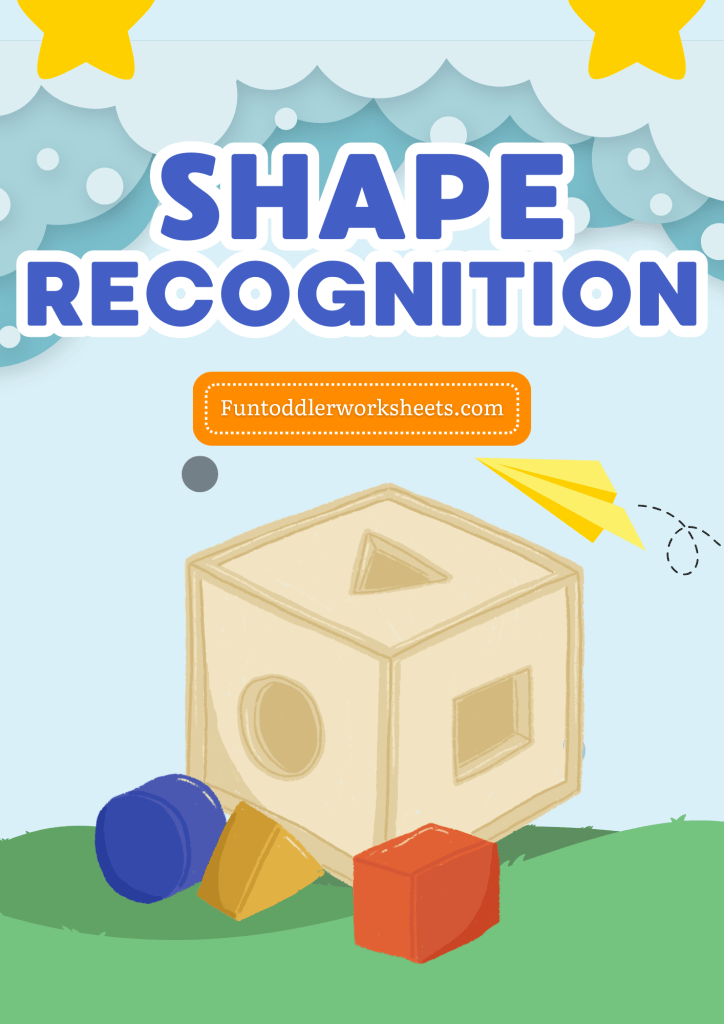
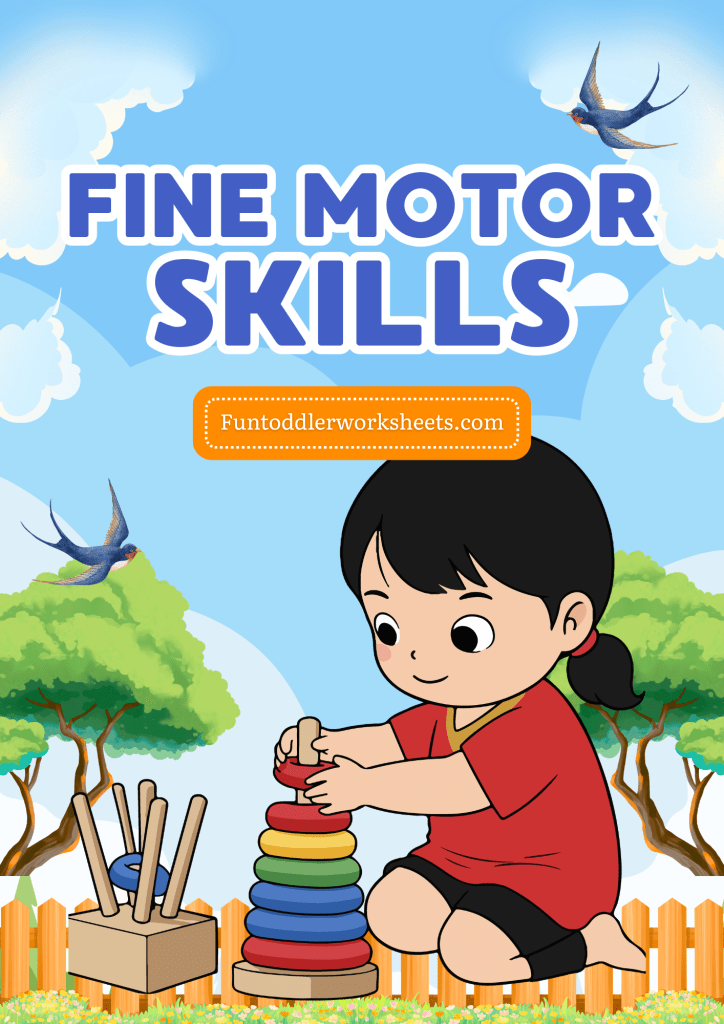
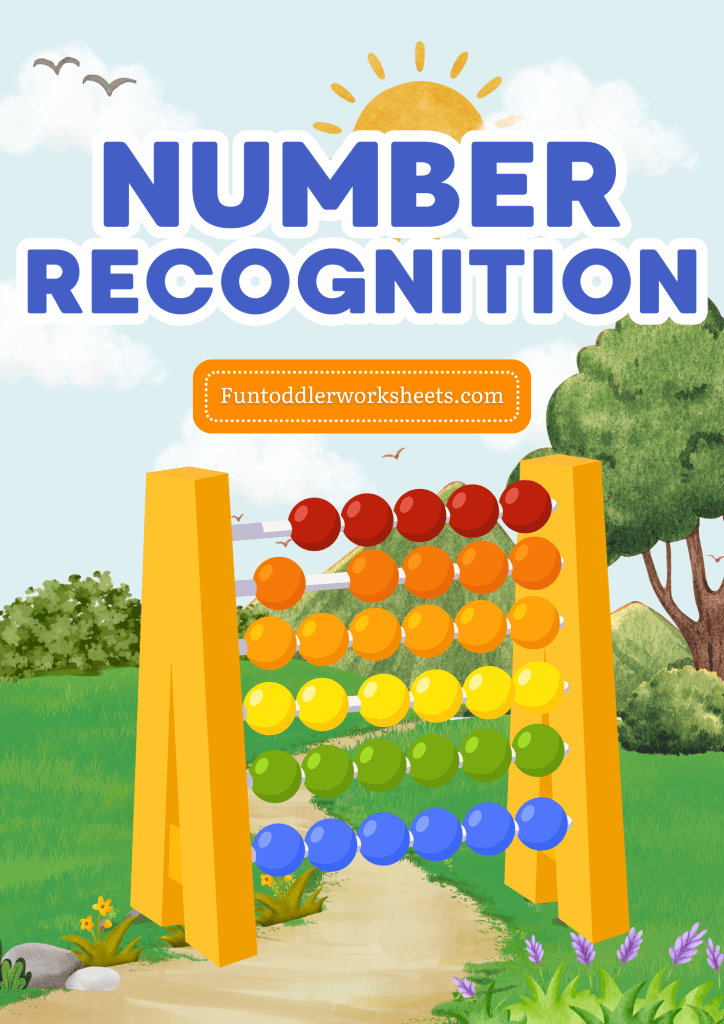
Children developing observation skills may also benefit from activities that strengthen:
Frequently Asked Questions About Observation Skills
👀 What are observation skills in young children?
☺︎ Observation skills involve noticing details, recognising similarities and differences, and using visual information to understand what children see around them.
🔍 What activities help toddlers develop observation skills?
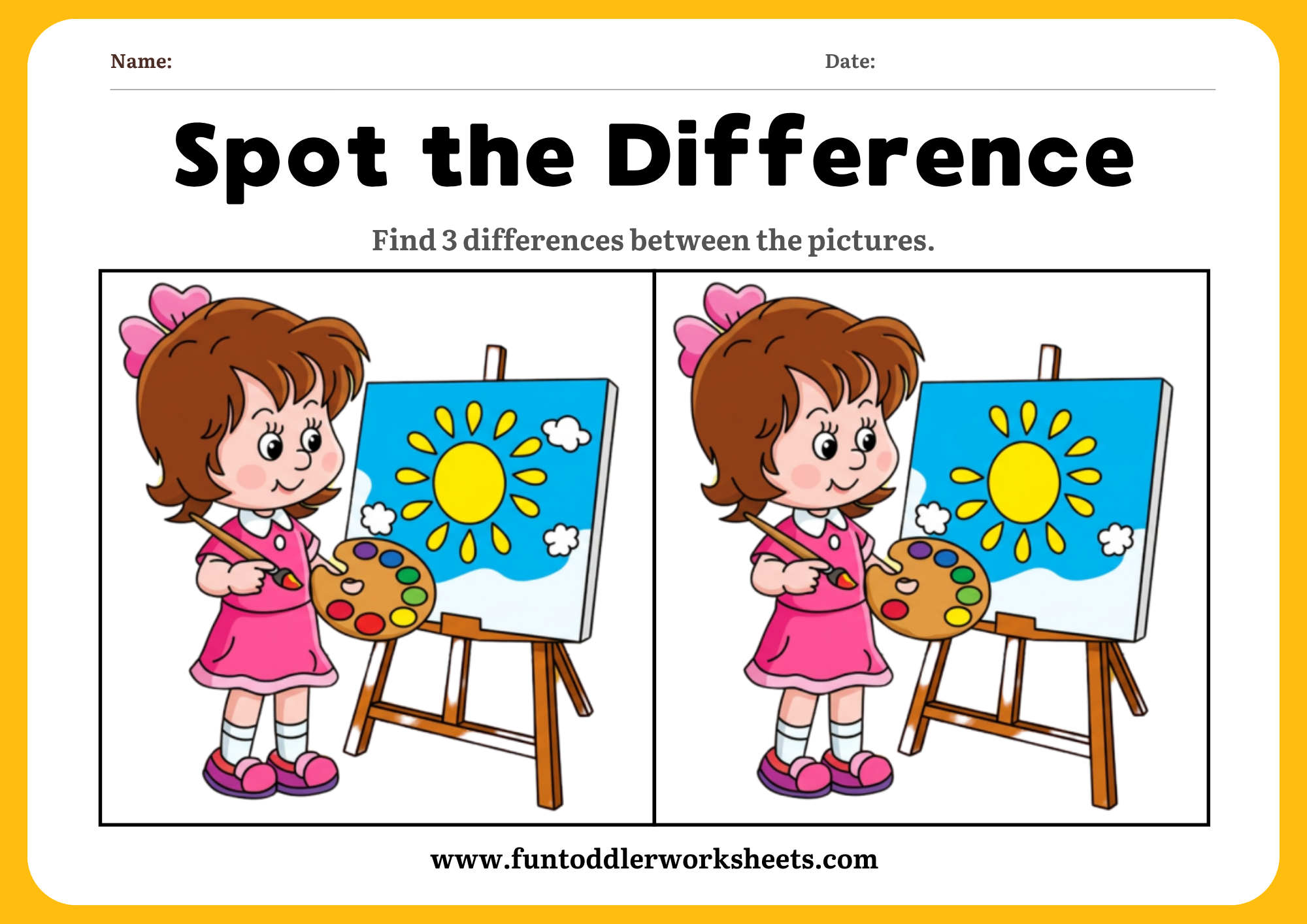
☺︎ Spot the difference, matching, hidden object, odd-one-out and picture comparison activities can encourage children to look closely and notice important details.
🧠 Why are observation skills important for early learning?
☺︎ Observation skills support attention, memory, comparison and problem-solving. They can also help children learn more effectively across early maths, reading and everyday activities.
🌱 How can I encourage observation skills at home?
☺︎ Ask your child to describe what they notice, compare two objects, find something that is different or search for hidden details during everyday play and routines.

